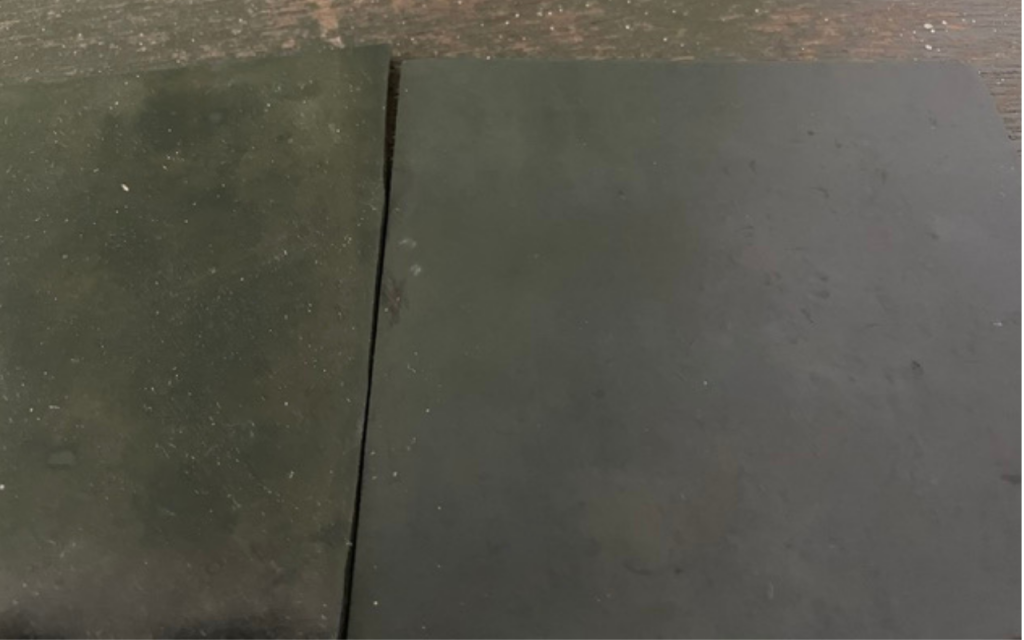
NBR vs EPDM: Which Rubber Material Should You Choose?
Selecting the right rubber material is critical for product performance, durability, and long-term cost efficiency. Among the many rubber compounds used in industrial applications, NBR and EPDM are two of the most commonly selected materials.
Although both materials are widely used in sealing and industrial rubber products, they perform very differently under specific working conditions. Understanding their differences can help engineers, buyers, and manufacturers make better material decisions.
What is NBR?
NBR (Nitrile Butadiene Rubber), also known as nitrile rubber, is a synthetic rubber widely recognized for its excellent oil and fuel resistance.
Because of its resistance to petroleum-based fluids, NBR is commonly used in automotive, hydraulic, and industrial environments where contact with oil is unavoidable.
Typical NBR applications include:
- Oil seals
- O-rings
- Fuel hoses
- Gaskets
- Hydraulic seals
Advantages of NBR
- Excellent oil resistance
- Good abrasion resistance
- Strong mechanical performance
- Cost-effective for industrial applications
Limitations of NBR
- Poor ozone resistance
- Limited weather resistance
- Not ideal for prolonged UV exposure
View products
What is EPDM?
EPDM (Ethylene Propylene Diene Monomer) is a synthetic rubber known for outstanding weather resistance and excellent durability in outdoor environments.
EPDM performs especially well under exposure to sunlight, ozone, water, and changing temperatures, making it popular in construction and outdoor sealing applications.
Common EPDM applications include:
- Window seals
- Roofing membranes
- Automotive weather stripping
- Waterproof gaskets
- Cable insulation
Advantages of EPDM
- Excellent weather resistance
- Strong UV and ozone resistance
- Good flexibility
- Excellent water and steam resistance
Limitations of EPDM
- Poor resistance to petroleum oils
- Not suitable for fuel-related environments
NBR vs EPDM Comparison
When comparing NBR and EPDM, the main selection factor is the working environment.
View products
Choose NBR if your application involves:
- Oil exposure
- Fuel contact
- Hydraulic systems
- Mechanical wear
Choose EPDM if your application involves:
- Outdoor use
- Sunlight and UV exposure
- Water or steam contact
- Weather sealing
In simple terms:
- NBR excels in oil resistance
- EPDM excels in weather resistance
Which Material is Better?
There is no universal “best” rubber material. The right choice depends entirely on application requirements.
Choosing the wrong material can lead to swelling, cracking, premature failure, and increased maintenance costs.
Before selecting a rubber compound, key factors to evaluate include:
- Temperature range
- Chemical exposure
- Compression requirements
- Outdoor weather conditions
- Mechanical stress
Proper material selection can significantly improve product lifespan and reduce long-term operational costs.
Cost and Performance Considerations
In many industrial projects, balancing cost and performance is an important part of material selection. While lower-cost materials may reduce initial purchasing expenses, they can lead to higher maintenance costs if the rubber fails under actual working conditions.
For example, using EPDM in oil-heavy environments may cause swelling and premature degradation, while using NBR outdoors under strong UV exposure can result in cracking and reduced service life. These failures often lead to product replacement, downtime, and additional operational costs.
Selecting the correct rubber material at the design stage helps reduce long-term risks and improves overall system reliability. A well-chosen material can significantly improve product lifespan, reduce maintenance frequency, and ensure more stable performance in demanding applications.we got a lot industrial rubber products.
Final Thoughts
Both NBR and EPDM are valuable materials in industrial rubber manufacturing, but each serves different purposes.
At Rubberlshore, we help customers evaluate application requirements and select suitable rubber materials for sealing, protection, and industrial performance.
Understanding material properties is the first step toward better product reliability and long-term efficiency.
We are committed to maintaining high quality standards in accordance with internationally recognized ISO 9001 requirements.
https://www.iso.org/standards/popular/iso-9000-family
Feel free to contact our team for customized material recommendations and technical support.