How to Choose the Right Rubber Sheet for Your Application.
Choose with confidence.Choosing the correct rubber sheet is essential for ensuring long service life, reliable sealing, and optimal performance. Different rubber materials are designed to withstand different environments, including oil exposure, outdoor weather, high temperatures, and chemical contact. This guide explains the key factors to consider when selecting industrial rubber sheets.
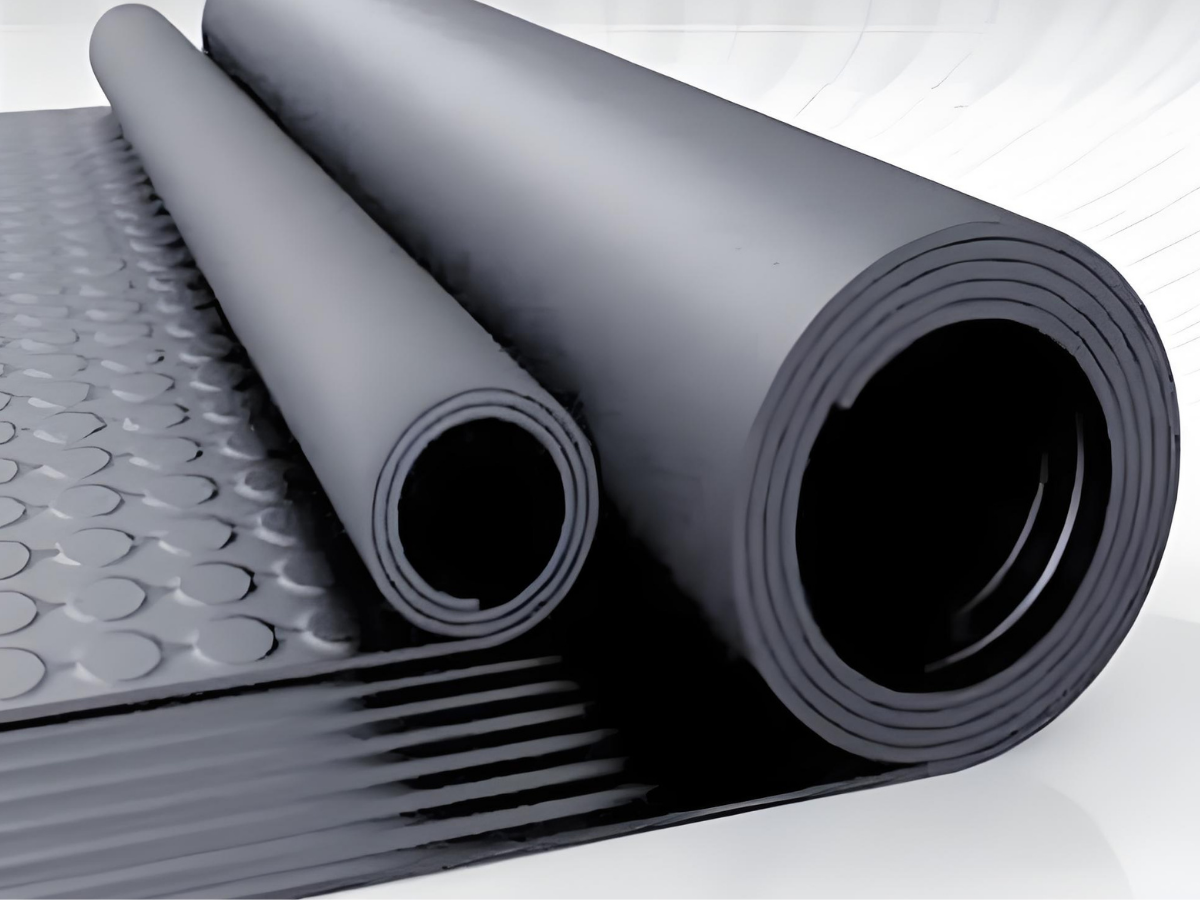
Why Material Selection Matters
Using the wrong rubber material can lead to premature failure, leakage, excessive wear, and unnecessary maintenance costs. Before selecting a rubber sheet, consider:
Working temperature
Contact with oils or chemicals
Outdoor weather exposure
Abrasion requirements
Compression and sealing performance
Hardness requirements
Common Rubber Sheet Materials
Every materials your team may know, build, and launch — beautifully stored and ready to ship.
EPDM Rubber
Best for:
✔Outdoor applications
✔UV exposure
✔Ozone resistance
✔Water sealing
✔Steam
Advantages:
✔Excellent weather resistance
✔Long outdoor service life
✔Good flexibility
Not recommended for petroleum oils.
Learn moreNBR Rubber
Best for:
✔Oil resistance
✔Hydraulic equipment
F✔uel systems
✔Automotive sealing
Advantages:
✔Excellent oil resistance
✔Good abrasion resistance
✔Durable under mechanical stress
Learn more Silicone Rubber
Best for:
✔Food processing
✔Medical equipment
✔High temperature
✔Electrical insulation
Advantages:
✔Wide temperature range
✔Excellent flexibility
✔Non-toxic grades available
Learn more Comparison Table
| Material | Oil Resistance | Weather Resistance | Temperature | Typical Uses |
| EPDM | Fair | Excellent | -40℃ to 120℃ | Outdoor sealing |
| NBR | Excellent | Moderate | -30℃ to 100℃ | Oil seals |
| Silicone | Good | Excellent | -60℃ to 230℃ | Food & Medical |
| Natural Rubber | Poor | Poor | -40℃ to 80℃ | Anti-vibration |
Questions to Ask Before Choosing
Before purchasing rubber sheets, ask:
Will the rubber contact oil
?
We map your goals and audit what you already have so nothing gets rebuilt twice.
Will it be installed outdoors?
A working prototype lands in your inbox within the first week, ready for real feedback.
Does it require food-grade certification?
We ship in weekly increments so you can watch progress instead of waiting for a big reveal.
Is sealing performance the priority?
Go live with confidence, then lean on us for monitoring and hands-on support after release.
Answering these questions will help identify the most suitable material.
Need Help Choosing the Right Rubber Sheet?
Rubberlshore provides custom rubber sheet manufacturing and material recommendations for industrial applications. Our engineering team can recommend suitable materials, hardness, thickness, and dimensions based on your operating conditions.
Contact us today for technical support and a quotation.
Rubber sheet properties are commonly evaluated according to relevant ASTM testing standards.
Questions, answered
Everything people usually ask before getting started. Still curious? Our support team replies in under an hour.
Which rubber sheet is best for outdoor use?
EPDM rubber offers excellent resistance to sunlight, ozone, and weathering, making it suitable for outdoor applications.
Which rubber sheet resists oil?
NBR rubber is widely used where petroleum oils and fuels are present.
Is silicone rubber food safe?
Food-grade silicone rubber is commonly used in food processing and medical industries.
How do I choose the correct hardness?
Hardness depends on sealing pressure, flexibility, wear resistance, and load-bearing requirements. Softer rubber generally provides better sealing, while harder rubber offers greater durability.