EPDM vs NBR vs Silicone
choose exactly what you need
EPDM vs NBR vs Silicone Rubber: Which Material Is Best for Your Application?
Choosing the right rubber material is essential for ensuring reliable performance, long service life, and cost efficiency. Among the most commonly used elastomers, EPDM, NBR, and Silicone each offer unique advantages depending on the operating environment.
This guide compares these three materials to help you determine which one is best suited for your application.
Whether you are designing sealing systems, protective linings, vibration isolation, or industrial gaskets, selecting the appropriate rubber can improve overall equipment performance and reduce maintenance costs. Understanding the differences between EPDM, NBR, and Silicone allows engineers and buyers to make more informed purchasing decisions while ensuring long-term reliability in demanding industrial environments.
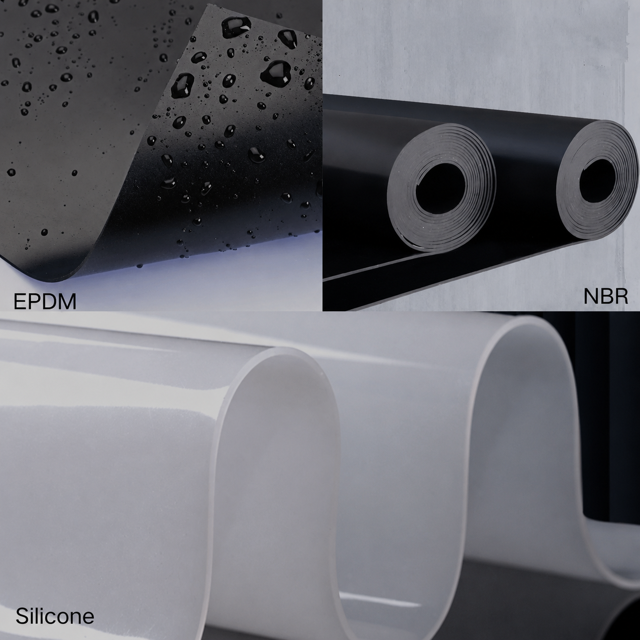
Main rubber SECTIONs
Materials That You may need
EPDM Rubber
Main Advantages
- Excellent weather resistance
- Outstanding UV resistance
- Superior ozone resistance
- Excellent water and steam resistance
- Long outdoor service life

Best Applications
- Outdoor equipment
- HVAC systems
- Roofing
- Water treatment
- Construction sealing
Not Recommended For
- Petroleum oils
- Fuel
- Hydrocarbon solvents
Need specific specifications?
View details
NBR Rubber
Main Advantages
●Excellent oil resistance
●Excellent fuel resistance
●High abrasion resistance
●Good mechanical strength
●Cost-effective
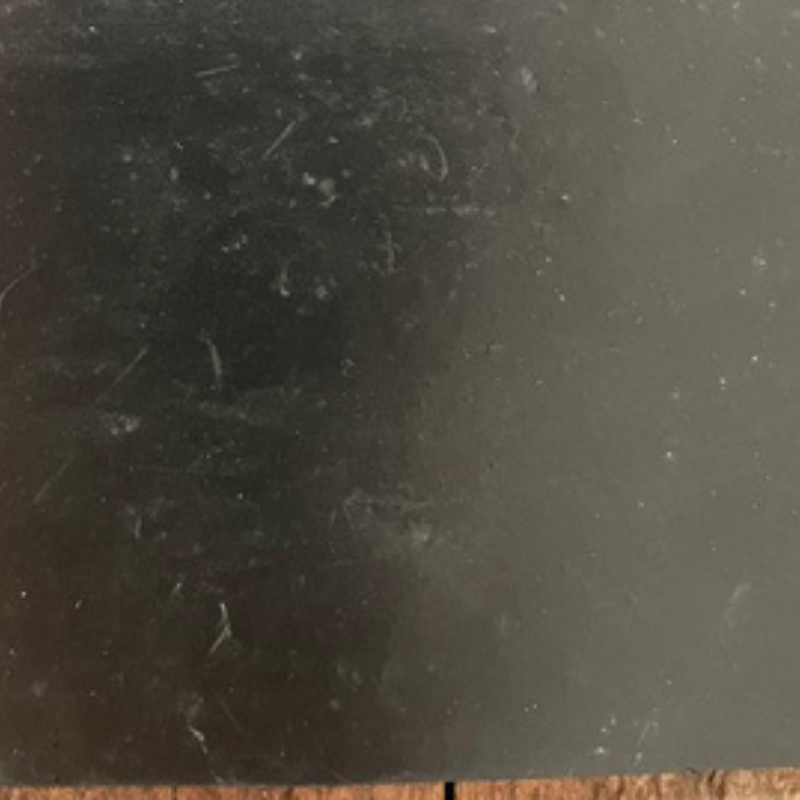
Best Applications
- Hydraulic seals
- Automotive parts
- Fuel systems
- Industrial machinery
- Oil-resistant gaskets
Not Recommended For
- Long-term outdoor exposure
- Strong UV environments
- Ozone-rich conditions
Need specific specifications?
View details
Silicone Rubber
Main Advantages
- Excellent high-temperature resisExcellent high-temperature resistance
- Excellent low-temperature flexibility
- Food-grade options available
- Medical-grade options
- Excellent electrical insulation
Best Applications
- Food processing
- Medical equipment
- Electronics
- High-temperature sealing
- Kitchen equipment
Not Recommended For
- Heavy abrasion
- High mechanical wear
- High-pressure dynamic sealing
Need specific specifications?
View details
Property Comparison
| Property | EPDM | NBR | Silicone |
| Oil Resistance | Poor | Excellent | Fair |
| Weather Resistance | Excellent | Fair | Excellent |
| UV Resistance | Excellent | Poor | Excellent |
| Ozone Resistance | Excellent | Poor | Excellent |
| Water Resistance | Excellent | Good | Excellent |
| Steam Resistance | Excellent | Fair | Good |
| Fuel Resistance | Poor | Excellent | Fair |
| High Temperature | Good | Good | Excellent |
| Low Temperature | Good | Fair | Excellent |
| Abrasion Resistance | Good | Excellent | Fair |
| Outdoor Use | Excellent | Limited | Excellent |
How to Choose the Right Material?
Which Rubber Should You Choose?
- Choose EPDM if your application requires outstanding weather resistance, UV stability, or water sealing.
- Choose NBR if the rubber will come into contact with oils, fuels, hydraulic fluids, or lubricants.
- Choose Silicone if your application requires excellent performance at very high or very low temperatures, or if food-grade or medical-grade materials are required.
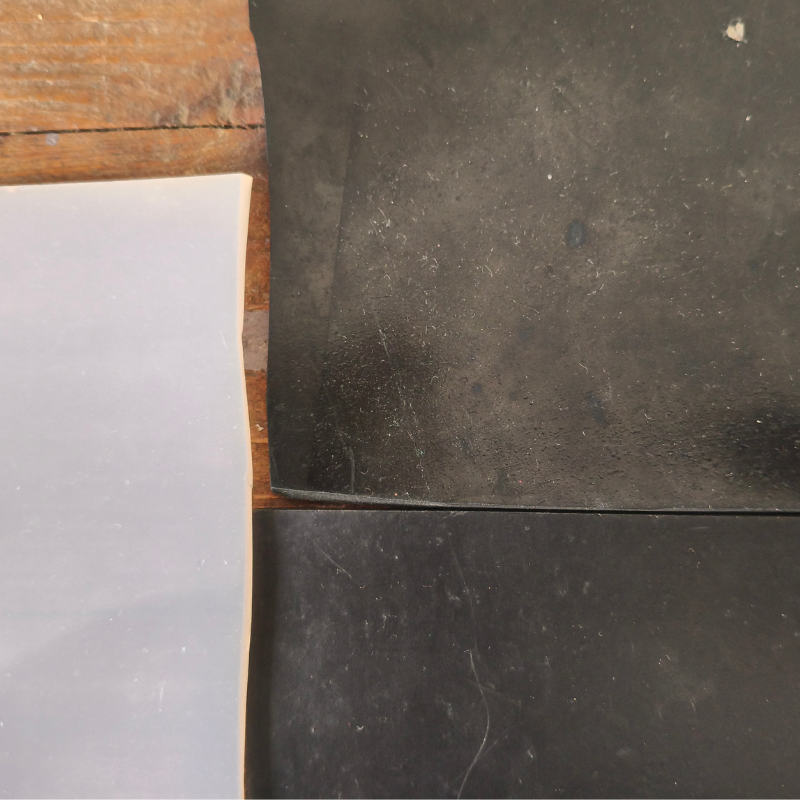
Choosing the right rubber sheet can improve performance and reduce maintenance costs. We are committed to maintaining high quality standards in accordance with internationally recognized ISO 9001 requirements.
https://www.iso.org/standards/popular/iso-9000-family
Have no idea how to choose?
Looking for Custom Rubber Solutions?
We support custom rubber sheets, rubber seals, gaskets, and molded rubber products for industrial applications.
Contact us to discuss your project requirements.
FAQ
Q1: Is EPDM better than NBR?
A: Not necessarily. EPDM performs much better outdoors, while NBR is significantly better for oil and fuel resistance.
Q2: Which rubber lasts longer outdoors?
A: EPDM and Silicone generally offer much longer outdoor service life than NBR because they resist UV light and ozone degradation.
Q3: Which rubber is best for oil sealing?
A: NBR is the preferred choice for most oil-resistant sealing applications.
Q4: Is Silicone better than EPDM?
A: Silicone performs better across a wider temperature range, while EPDM generally provides better mechanical strength and lower material cost.
Conclusion
There is no single “best” rubber material. The ideal choice depends on your operating conditions, including temperature, chemical exposure, weather, and mechanical requirements.
EPDM is the preferred choice for outdoor and water-related applications, NBR excels in oil and fuel environments, while Silicone is ideal for extreme temperatures and food-grade or medical applications.