Why Rubber Hardness Matters in Industrial Applications
A Critical Property.Rubber hardness is one of the most important properties to consider when selecting industrial rubber materials. Choosing the correct hardness helps improve product performance, extend service life, and reduce maintenance costs.
Hardness is commonly measured using the Shore A scale for flexible rubber compounds. Different applications require different hardness levels depending on sealing pressure, abrasion resistance, flexibility, and load-bearing capacity.
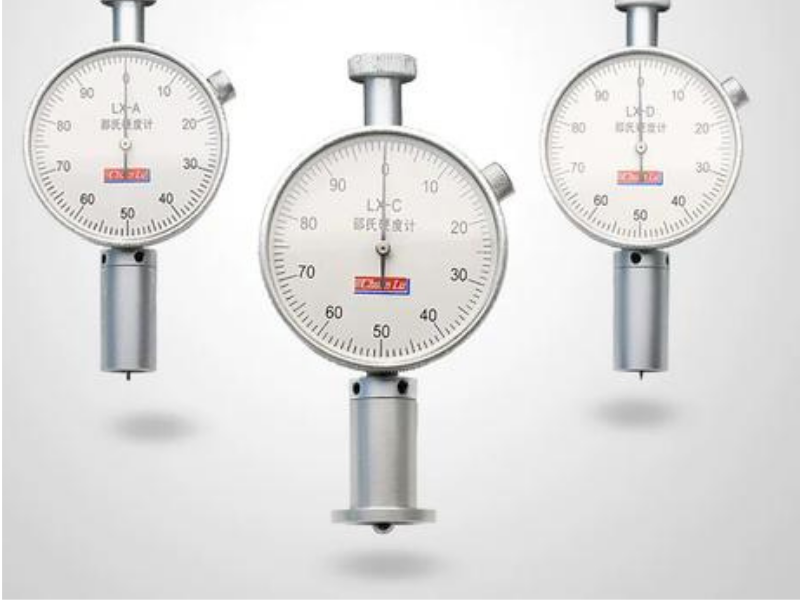
What Is Rubber Hardness?
Rubber hardness refers to the material’s resistance to indentation. A higher Shore A value generally indicates a harder rubber compound, while a lower value represents a softer and more flexible material.
For example:
Selecting the correct hardness depends on the operating environment rather than simply choosing the hardest material available.
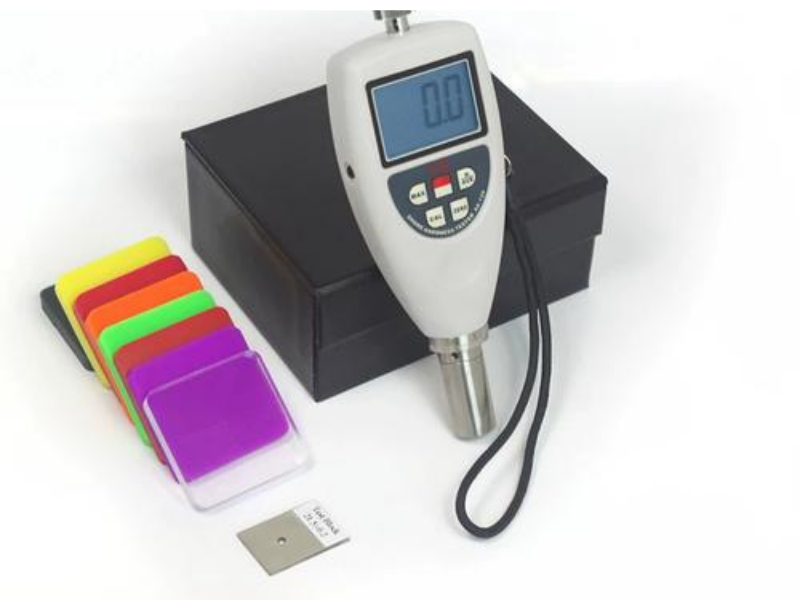
How Hardness Affects Performance?
Understanding rubber hardness is essential for selecting the right material for industrial applications. Different Shore A hardness levels directly affect sealing performance, wear resistance, flexibility, compression set, and service life. Choosing the appropriate hardness helps ensure reliable performance while reducing maintenance costs
Better Sealing Performance
Softer rubber conforms more easily to uneven surfaces, creating a better seal under lower pressure.
Typical applications include:
Gaskets
O-rings
Waterproof seals
HVAC sealing systems
Compression Resistance
Rubber used under continuous pressure should maintain its shape without excessive deformation.
Choosing an appropriate hardness helps reduce permanent compression set and extends product life.
Improved Wear Resistance
Harder rubber generally offers better abrasion resistance and higher load capacity.
It is commonly used for:
Conveyor systems
Wear strips
Industrial rollers
Protective pads
Flexibility at Low Temperatures
Soft rubber compounds usually remain more flexible in cold environments, while excessively hard compounds may become brittle under low temperatures.
Material selection should always consider the working temperature range.
Typical Hardness Range of Common Rubber Materials
| Material | Typical Hardness |
| Silicone Rubber | 30-80 Shore A |
| EPDM Rubber | 40-80 Shore A |
| NBR Rubber | 40-90 Shore A |
| Natural Rubber | 35-85 Shore A |
| Neoprene | 40-90 Shore A |
Actual hardness can be customized according to customer requirements.
How to Choose the Right Hardness?
Before selecting a rubber material, consider the following questions:
Is the product used for sealing or support?
Will it experience heavy abrasion?
What is the operating temperature?
Is flexibility important?
Will the rubber be exposed to oils or chemicals?
Does the application require long-term compression?
The answers to these questions help determine the most suitable rubber hardness for your project.
See all featuresRubberlshore Custom Manufacturing
At Rubberlshore, we manufacture industrial rubber products in various hardness levels to meet different application requirements.
Our customization services include:
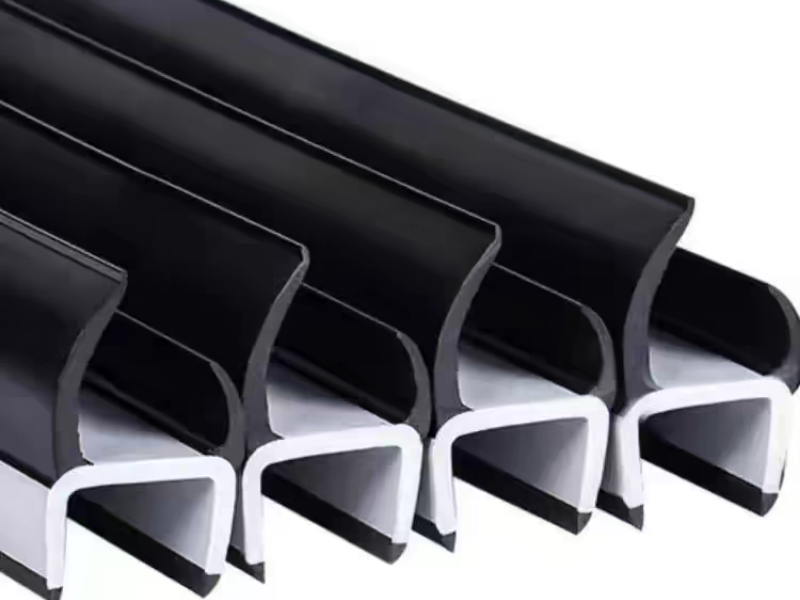
Automotive Seals
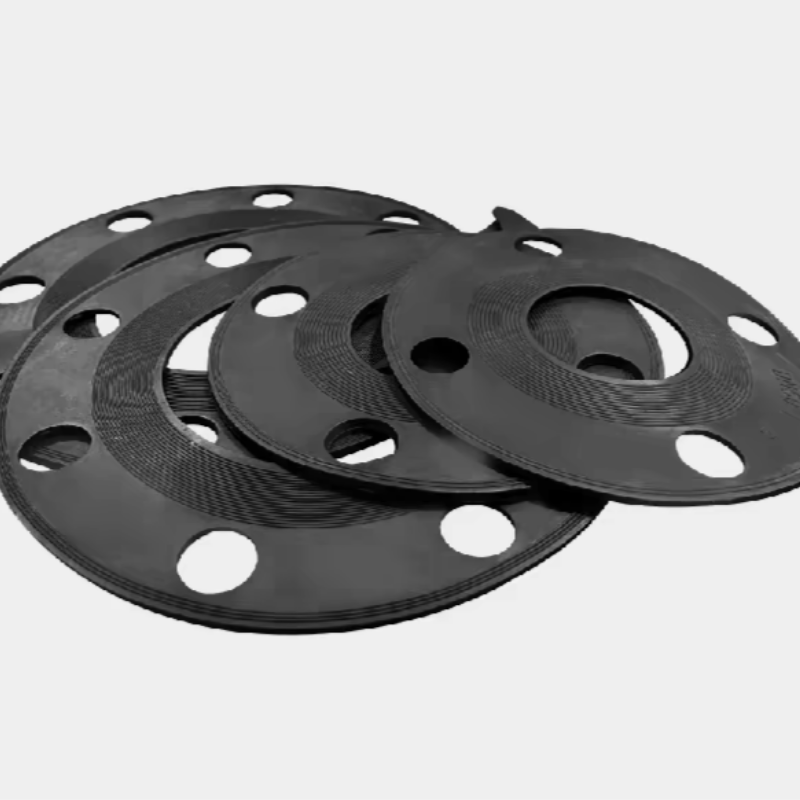
Industrial Gaskets
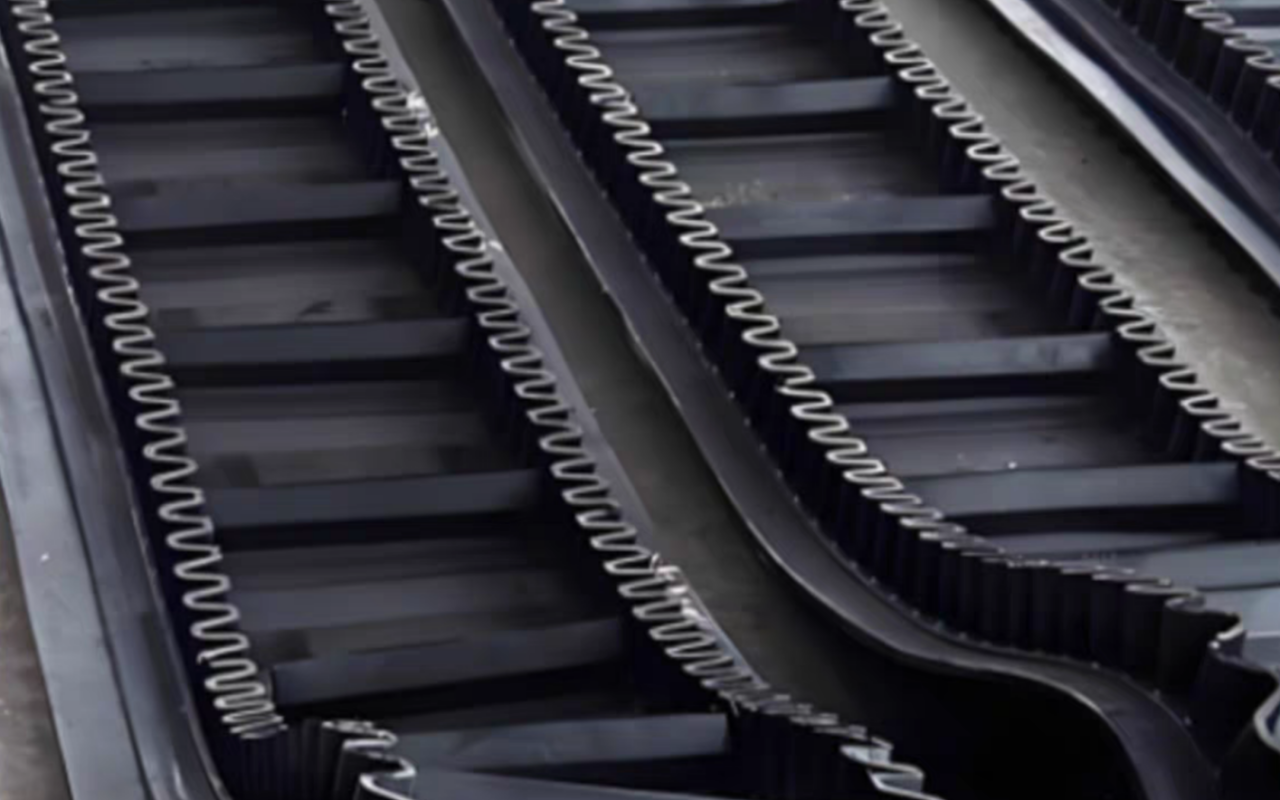
Conveyor Systems
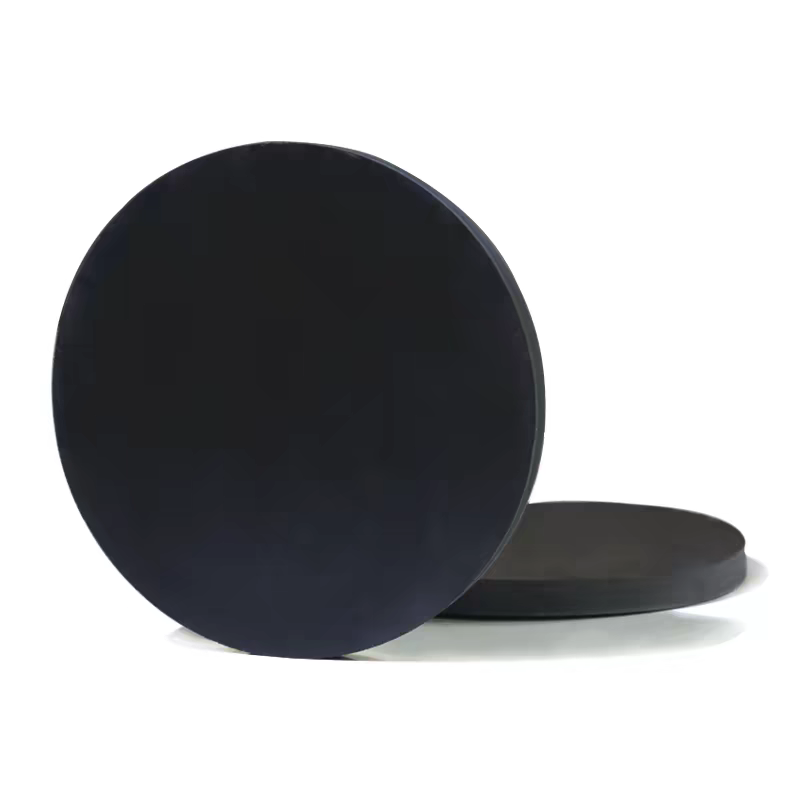
Vibration Pads
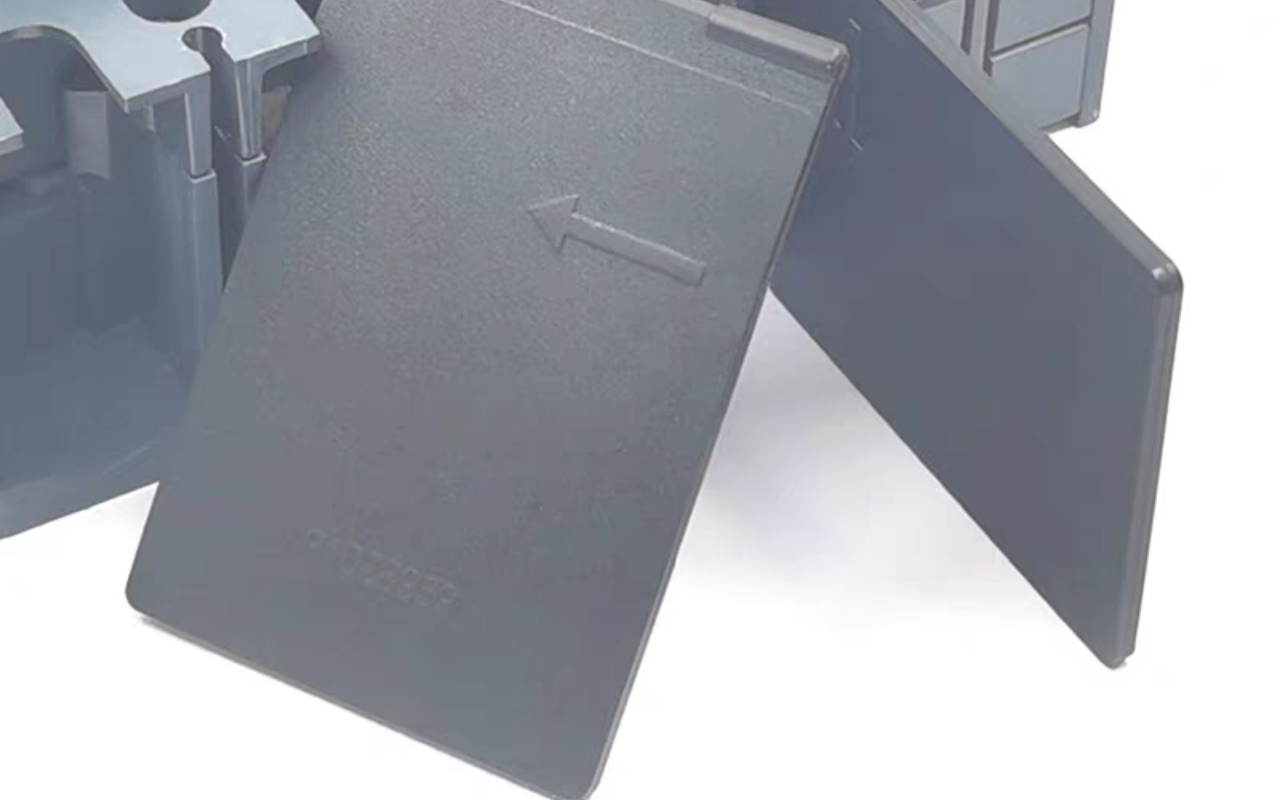
Electrical Insulation
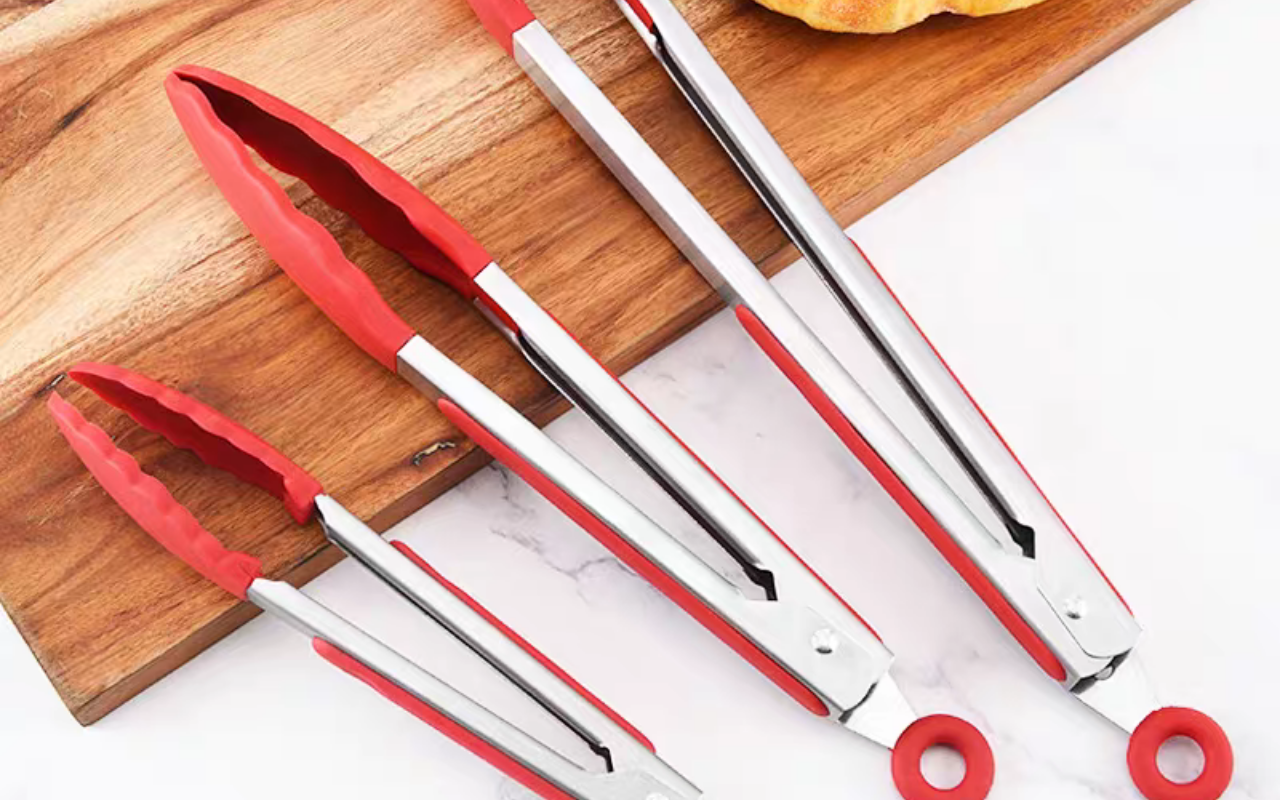
Food Equipment
Need help selecting the right rubber hardness?
Whether you need soft sealing rubber or high-hardness industrial components, our engineering team can recommend the most suitable material for your application.
Reference: ASTM International provides globally recognized standards for rubber hardness testing.
Questions, answered
Everything people usually ask before getting started. Still curious? Our support team replies in under an hour.
What hardness is best for rubber seals?
Most sealing applications use rubber between 50 and 70 Shore A, depending on pressure and operating conditions.
Does harder rubber last longer?
Not always. While harder rubber usually provides better wear resistance, softer rubber often delivers better sealing performance. The best choice depends on the application.
Can rubber hardness be customized?
Yes. Most industrial rubber products can be manufactured in different Shore A hardness levels based on customer requirements.
Which rubber material offers the widest hardness range?
NBR, EPDM, and Silicone Rubber are all available in multiple hardness options and can be customized for different industrial applications.