Rubber Sheet Thickness Guide
choose exactly what you need
How to Choose the Right Thickness?
Choosing the correct rubber sheet thickness is just as important as selecting the right rubber material. A sheet that is too thin may wear out quickly or fail under pressure, while one that is too thick can increase costs without improving performance.
Whether you are purchasing EPDM, NBR, or Silicone rubber sheets, understanding thickness selection helps improve sealing performance, durability, and overall cost efficiency.
This guide explains common rubber sheet thicknesses, how they are used in different industries, and the key factors to consider before placing an order.
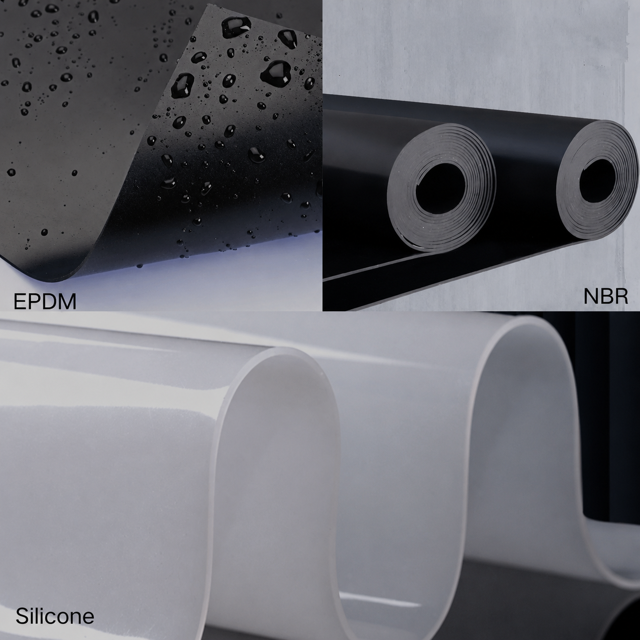
Main rubber SECTIONs
Why Rubber Sheet Thickness Matters
Rubber sheet thickness directly affects product performance in many industrial applications.
The correct thickness can provide:
- Better sealing performance
- Improved impact resistance
- Longer service life
- Higher load-bearing capacity
- Reduced maintenance costs
- Better vibration and noise reduction
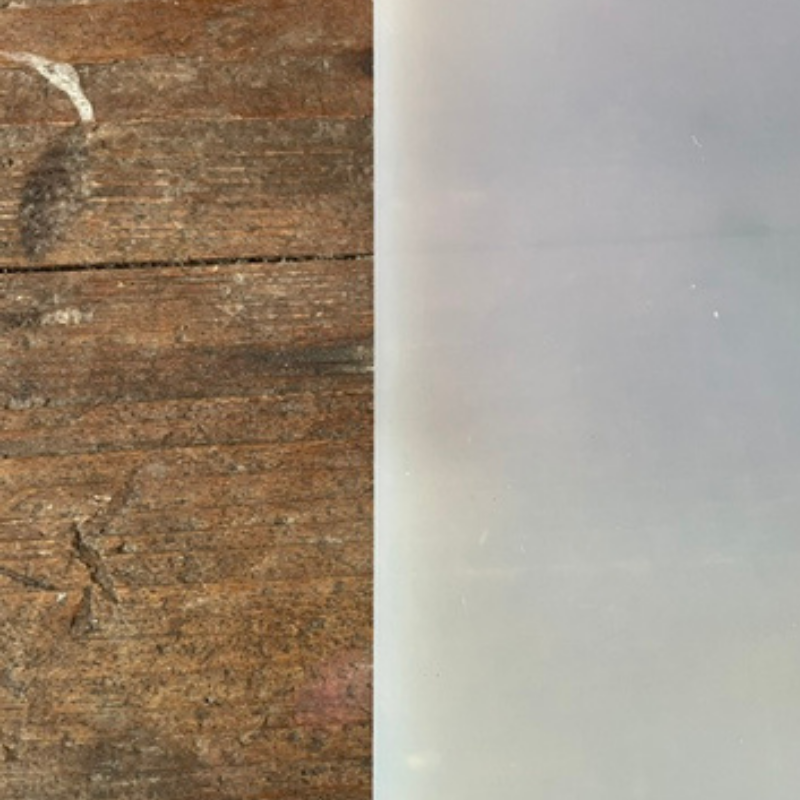
Selecting the right thickness ensures the material performs as expected while avoiding unnecessary material costs.
Need specific specifications?
View details
Standard Rubber Sheet Thicknesses
The following thicknesses are commonly available in the rubber industry.
| Thickness | Common Applications |
| 1 mm | Light-duty gaskets, protective layers |
| 2 mm | General sealing applications |
| 3 mm | Industrial equipment sealing |
| 5 mm | Machinery protection and vibration isolation |
| 6 mm | Heavy-duty sealing |
| 8 mm | Impact absorption |
| 10 mm | Floor protection and industrial mats |
| 12-20 mm | Heavy machinery and construction |
Custom thicknesses are also available for OEM projects.
Need specific specifications?
View details
How to Choose the Right Thickness
Consider the Working Pressure
Applications exposed to higher pressure generally require thicker rubber sheets to maintain sealing performance.
Low-pressure equipment often performs well with 2–3 mm sheets, while heavy industrial machinery may require 6 mm or thicker materials.
Evaluate Mechanical Load
If the rubber sheet supports equipment weight or absorbs impacts, thicker materials usually provide better durability.
Examples include:
- Industrial flooring
- Conveyor systems
- Machine bases
- Heavy equipment pads
Check the Installation Space
Some equipment allows only limited installation clearance.
Always verify available space before selecting a thicker material.
Match Thickness with Rubber Material
Thickness alone is not enough.
Different rubber materials perform differently under the same thickness.
For example:
- Heavy abrasion
- High mechanical wear
- High-pressure dynamic sealing
Need specific specifications?
View details
Recommended Thickness by Application
| Application | Recommended Thickness |
| Gaskets | 1-3 mm |
| Pipe Seals | 2-5 mm |
| Machine Pads | 5-10 mm |
| Conveyor Protection | 6-12 mm |
| Flooring | 8-20 mm |
| Vibration Isolation | 5-15 mm |
Common Mistakes When Choosing Thickness
Many buyers make one of these common mistakes:
- Choosing thicker material than necessary
- Ignoring operating pressure
- Focusing only on price
- Selecting thickness without considering rubber type
- Forgetting installation clearance
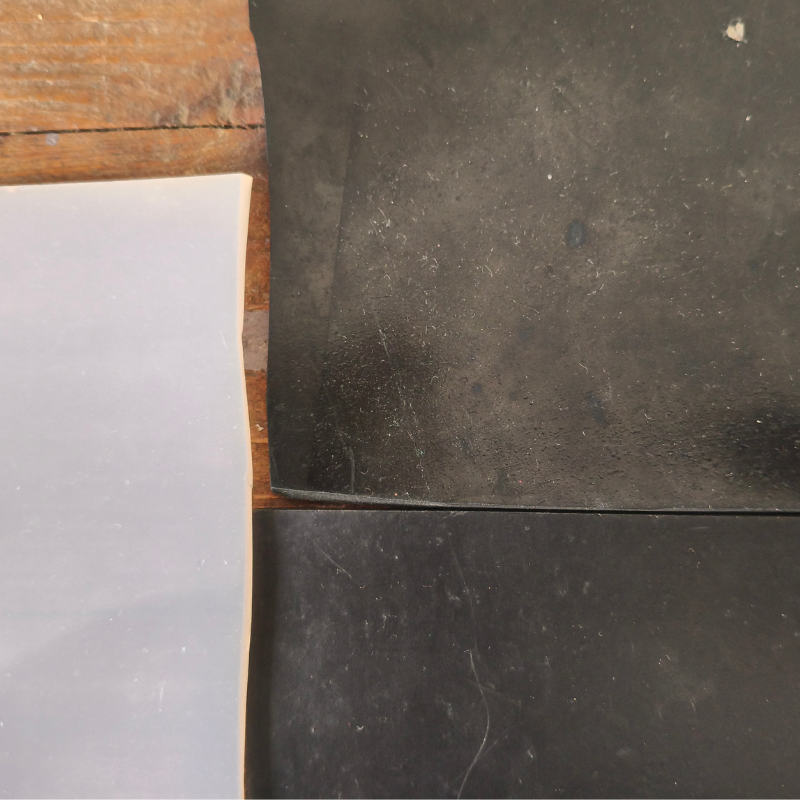
Working with an experienced supplier can help avoid these issues and reduce long-term costs.
https://www.iso.org/standards/popular/iso-9000-family
Have no idea how to choose?
Can Rubber Sheet Thickness Be Customized?
Yes.
Many industrial applications require non-standard dimensions.
Professional manufacturers can provide customized:
- Thickness
- Width
- Roll length
- Hardness
- Color
- Surface finish
OEM and custom-cut rubber sheets are widely available for industrial projects.
FAQ
Q1:What is the most common rubber sheet thickness?
A: The most common industrial thicknesses are 2 mm, 3 mm, 5 mm, and 6 mm, depending on the application.
Q2: Does thicker rubber always perform better?
A: EPDM and Silicone generally offer much longer outdoor service life than NBR because they resist UV light and ozone degradation.
Q3: Which rubber is best for oil sealing?
A: No.
The correct thickness depends on pressure, load, flexibility, and installation requirements. Selecting an unnecessarily thick sheet may increase costs without improving performance.
Q4: Which thickness is best for sealing?
A: Most sealing applications use 2–5 mm rubber sheets, although higher-pressure systems may require thicker materials.
Q5:Can I order custom thickness?
Yes. Most manufacturers offer custom thicknesses for OEM and industrial applications.
Conclusion
Selecting the proper rubber sheet thickness improves equipment reliability, sealing performance, and product lifespan. The ideal thickness depends on operating pressure, mechanical load, installation space, and the rubber material itself.
Whether you need EPDM, NBR, orSilicone rubber sheets, choosing the correct thickness ensures the best balance between performance and cost. If you are unsure which specification is right for your project, consult an experienced rubber supplier for technical recommendations.